Steel making and fabricators left high and dry by new steel tariff changes
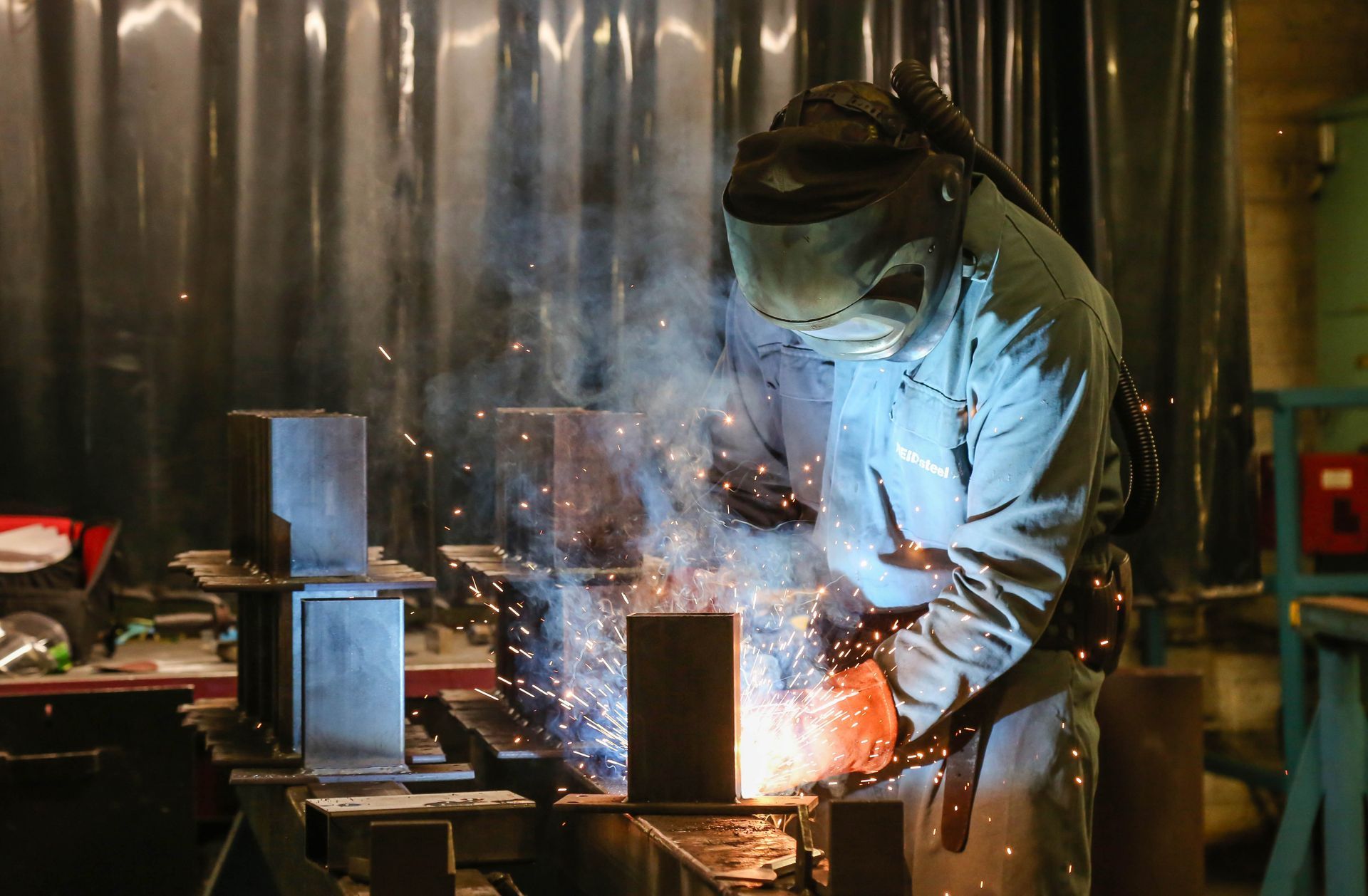
Fabricators who make steel structures have been cast adrift by new tariffs designed to protect the UK steel industry.
Amendments to the tariffs which took effect on July 1 have increased the amount of steel that can enter the UK market tariff free.
Some will say this is good as it keeps the prices down. However, this move will be damaging to UK steelmaker British Steel, now owned by the British people.
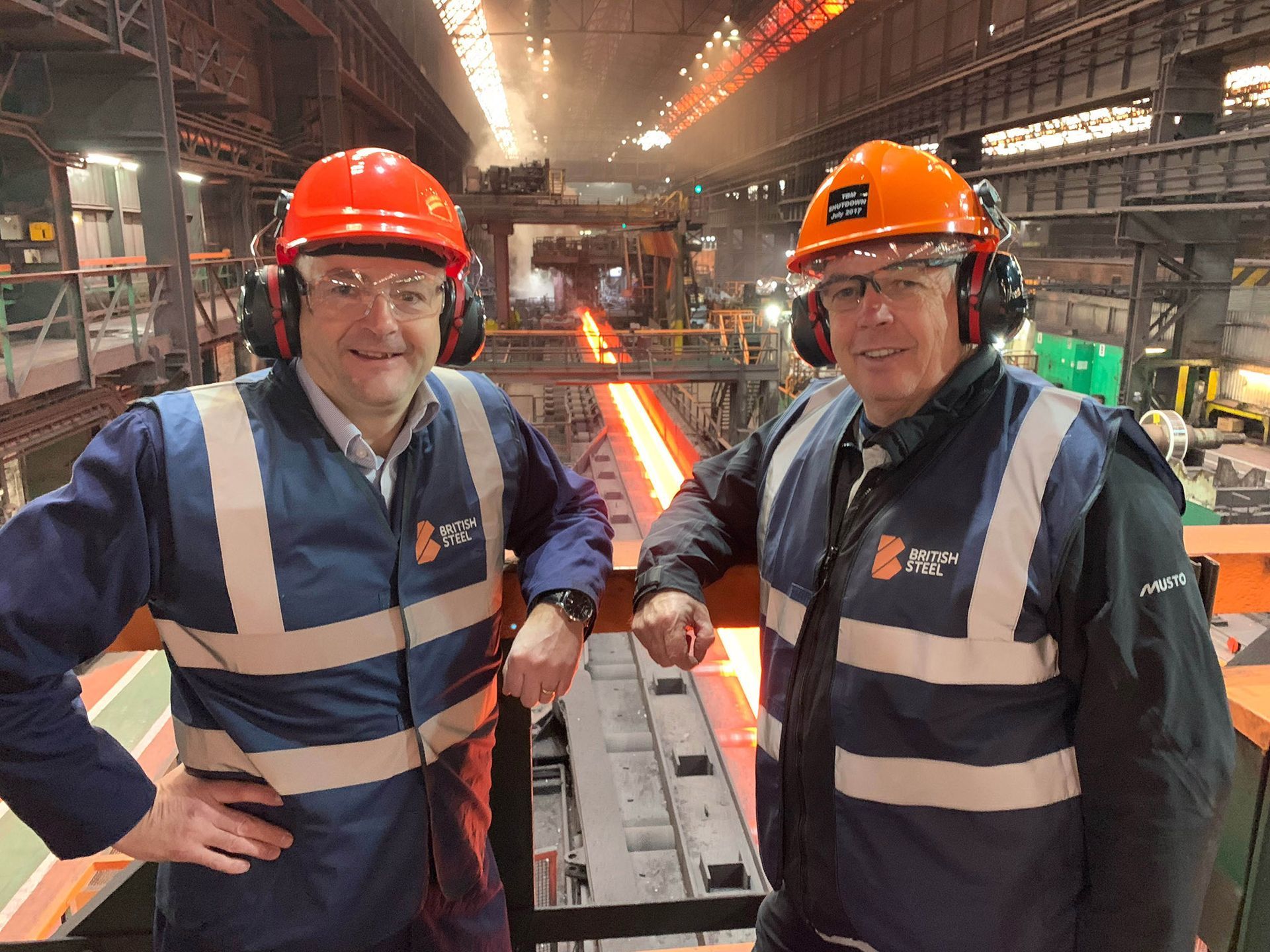
Simon Boyd OBE, managing director of REIDsteel, warned that it is a misjudgement and a failure to understand that long-term damage will be done to the revival of the UK’s domestic supplier of steel if it is forced to complete an uneven playing field.
He said that we must protect, invest, then allow for - competition in that order.
In addition, fabricated steelwork – which has been engineered through cutting, welding or assembly for specific structures such as bridges or hangars – has not been included; nearing the risk of fabrication work being offshored overseas from the UK for supply to customers either back in the UK or elsewhere in the world - encouraging imports while undermining domestic manufacturing.
This could leave UK fabricators at risk of being undercut by a flood of foreign competitors with much lower costs exporting into the UK.
Simon has called for a government rethink on the quota and exclusion of fabricated steel.
“They will be able to sell into the UK market at lower prices, completely tariff free. The damage could be exacerbated if steel product costs increase as a result of new tariffs.
“Ultimately, this could result in the hollowing out of the fabrication sector in the UK by overseas firms with no interest in the UK, its economy or people.
“We could also see greater offshoring of work by businesses having steel fabricated overseas and imported back into the UK tariff-free.
“There is also the danger of unscrupulous firms using a backdoor to import steel tariff free into the UK by claiming it is fabricated when they have simply performed some basic drilling or welding.
“The disastrous knock-on effects would be felt across manufacturing, construction and the wider economy.
“The UK fabricated steel sector has been cast adrift by a flawed policy which could result in the loss of business, jobs and an important industry.
“If the government is serious about protecting domestic capability and jobs in the UK steel sector and combatting unfair trade, it must close this loophole and ensure all other measures in the new regime are watertight.”
Simon, who recently campaigned to keep virgin steelmaking in the UK, added: “In an increasingly unstable world, it is critical for UK plc, national security and infrastructure that the UK has a strong, resilient and sovereign steel industry and associated supply chains.”
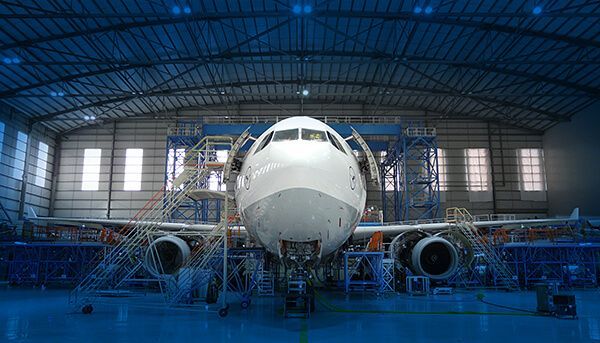
Firms such as REIDsteel fabricate steel to manufacture steel framed buildings such as commercial property, aircraft hangars, airport terminals, warehouses, churches, security structures and stadia.
It also designs and supplies/builds the structures has made British Steel its primary supplier of the steel products it uses.
Other firms in the UK may use Tata Steel and smaller producers as well as suppliers from the EU and overseas.
Since the first quarter of 2025, the United States has levied a 50% tariff on steel and on steel derivative products since August 2025. The UK has a 25% preferential rate.
The tariffs come amid an increasing overcapacity of steel globally driven by a deluge of Chinese goods.
According to the Organisation for Economic Co-operation and Development (OECD) global overcapacity was projected to exceed 680 million tonnes in 2025, representing 27% of total capacity, increasing to 721 million tonnes by 2027.
According to the World Steel Association, China exported a record 120 million tonnes (Mt) in 2025. It produced over half (960.8 million) of the 1.803 billion global total in 2025.
For comparison, the UK produced 2.6Mt of crude steel in 2025 and supplied 30% of the UK's annual demand of 10.3Mt
The UK steel sector employs 34,000 people directly and supports a further 42,000 in supply chains, according to the UK Steel trade body.
It directly contributes £1.7 billion to UK economy and supports a further £2.3 billion.
Products subject to tariffs include non-alloy and other alloy hot-rolled sheets and strips; metallic coated sheets; organic coated sheets; tin mill products; non-alloy and other alloy quarto plates; alloy merchant bars and light sections; non-alloy merchant bars and light sections; rebars; stainless bars and light sections; stainless wire rod; non-alloy and other alloy wire rod; angles, shapes, and sections of iron or non-alloy steel; railway material; gas pipes; hollow sections; welded tubes; non-alloy and other alloy cold finished bars; non-alloy wire.
The new regime also sets allocations for specific countries exporting into the UK for different categories of steel – including the EU, India, South Korea, Vietnam, Japan, USA, Turkey, Switzerland and UAE.